
3rd Sunday in Ordinary Time
January 24, 2026
Gospel Reflection
Matthew 4:12-23
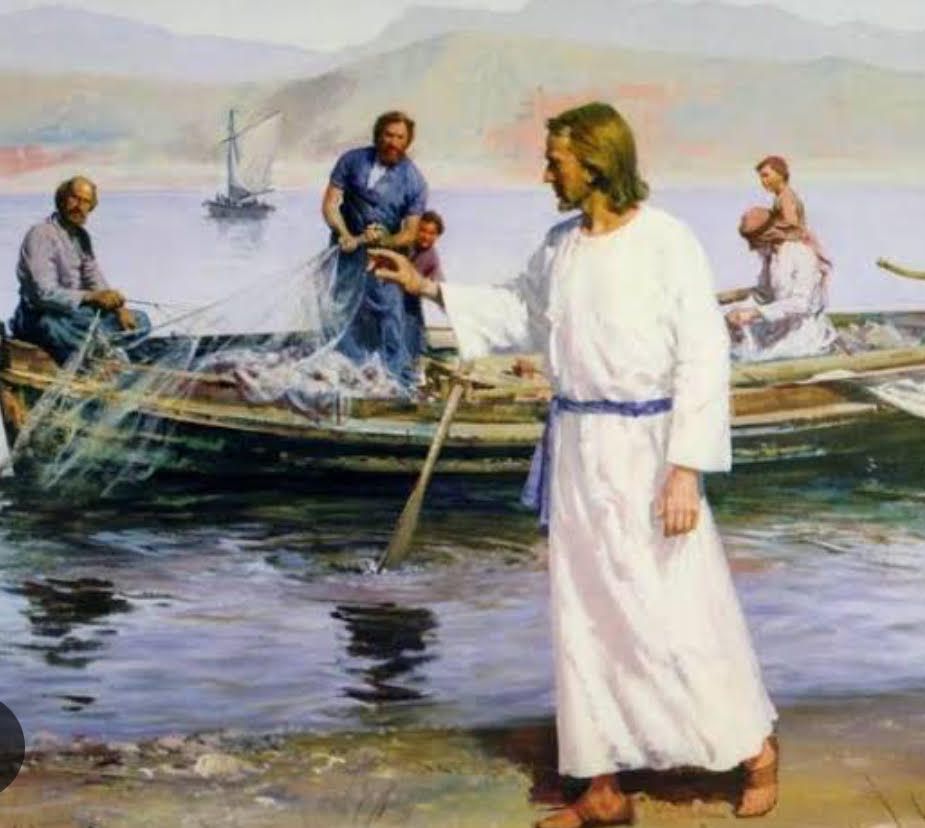
We all know that Jesus was born in Bethlehem and that he grew up in Nazareth, the town where Mary lived at the time of his conception. But we might have passed over the fact that for some period of time as an adult he settled in Capharnaum, another town in the northern region of Palestine known as Galilee. According to Matthew, this occurred after his return from the time he spent fasting in the wilderness outside of Jerusalem. By this time he had already attracted the following of a number of disciples, including Peter and his brother Andrew, James and his brother John, Philip and Nathanael. His settling in Capharnaum may have had something to do with the close relationship already existing at this stage with the two sets of brothers, who together with the father of John and James (Zebedee) formed a fishing partnership. It seems that he actually stayed at Peter’s house, which overlooked the Sea of Galilee (Lake Genesareth).
Therefore when, as we hear in today’s Gospel reading, Jesus summoned these men saying “follow me”, he was not acting on the spur of the moment, nor were they following a perfect stranger. Zebedee may have been initially disappointed in his sons leaving the business he thought they would one day inherit. However, he was not taken totally by surprise. No doubt he too had come to admire the man from Nazareth whom his sons insisted was the long awaited Messiah. Later, we hear how his wife considered it an honour that her sons should be closely associated with Jesus.
Isaiah’s prophecy, read today, is familiar and very touching. Capharnaum bordered on the territories that had been assigned to the tribes of Zebulon and Naphtali, sons of Jacob, centuries before Christ. This region, which later formed part of the northern kingdom, separated from Jerusalem and the Temple, was conquered by the Assyrians, as prophets had foretold. It became a land of spiritual darkness, isolated from the heartland of the covenant of Moses. Isaiah then foresees a spiritual reawakening and a privileged role for this unfortunate region. But it was to be in the distant future.
How clear is the fulfilment of this ancient prophecy with Jesus’ choice to live in the house of Peter and from there to begin his call to repentance, the spreading of the Good News of God’s salvation. “You have made their gladness greater, you have made their joy increase; they rejoice in your presence as men rejoice at harvest time, as men are happy when they are dividing the spoils.”
Most of the early disciples of Jesus came, then, from a region somewhat despised in the Jewish mindset. Remember how disparagingly they were sometimes referred to as “Galileans.” Yet how confident and happy they were to know that they had met Jesus. Some would leave everything they were most familiar with in order to assist him and become bearers of his message and teaching. They did not know everything about him, especially in those early months. But what they did know convinced them he was sent from God.
We are the heirs of their later, mature faith and knowledge. We know of his miracles and the world changing influence of his doctrine. Yet we may so often be reluctant to go out of our way to help others know something about Christ, his teaching and his Church. Perhaps it is largely a lack of confidence in our own ability to explain truths that others may not know or understand. This can be partly remedied by good reading and seeking advice. However, it may also be a result of a lack of personal prayer and dialogue with God. If we seldom bare our souls to him, call on his help, or examine our actions in his presence, then it is not surprising that we are lacking in courage or conviction when it comes to speaking about the deeper things of life and faith. But we should not give way to discouragement or frustration. A helpful confessor or good Catholic friend can often guide us towards ways of strengthening our personal relationship with God. The important thing is to want to be closer to Him and to want to help others be so as well. Then, perhaps when we least expect it, we will find ourselves being “fishers of men.” for God.