
2nd Sunday in Ordinary Time
January 16, 2026
Gospel Reflection
John 1:29-34
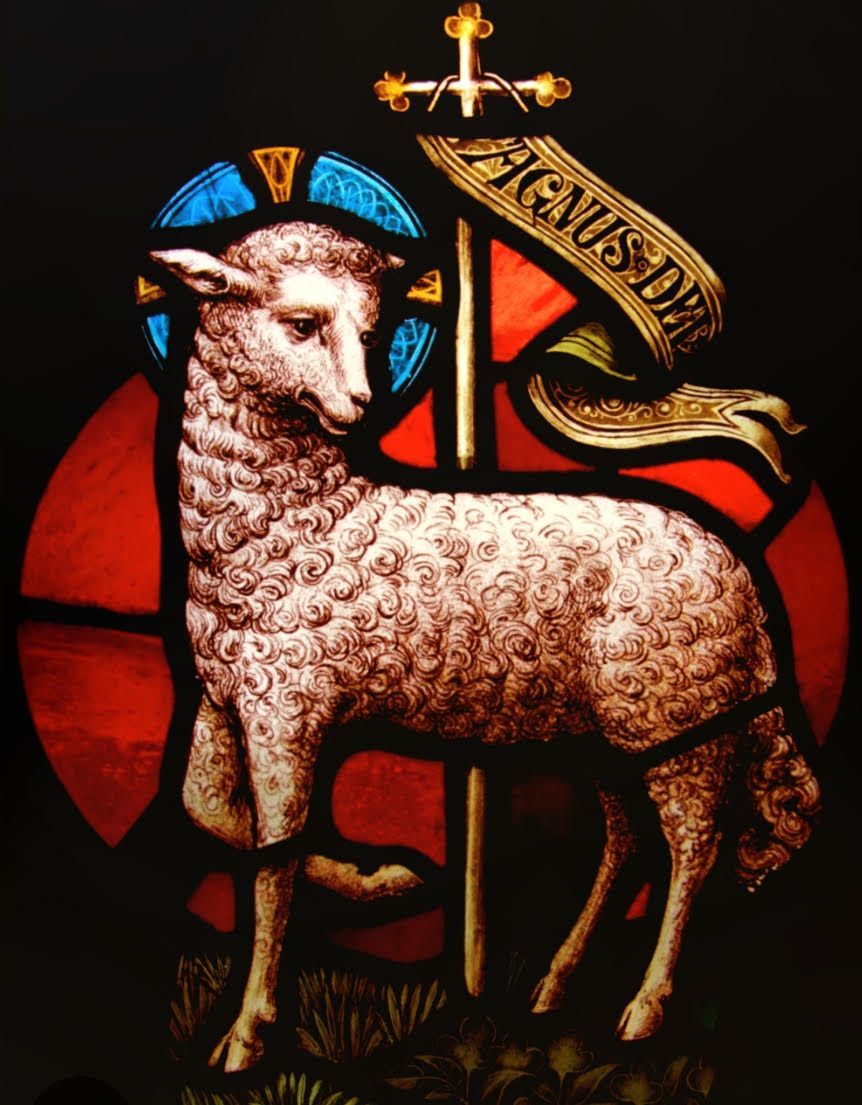
Behold, the Lamb of God, who takes away the sin of the world” (John 1:29). These words of the John the Baptist, recorded in turn for us in the Gospel of John the Apostle, who was among the first to hear them, capture in an evocative way the great mystery of our salvation. The Baptist calls Jesus “the Lamb of God.” Isaiah, in a series of prophecies, spoke of a “servant of God” who would be a light to all the nations, so that God’s salvation might “reach to the ends of the earth.” In another passage that forms a part of the same series he compares this “servant of God” with a lamb that “opened not his mouth”, “that is led to the slaughter” because “the Lord has laid on [Him] the iniquity of us all” (Isaiah 53: 6-7). But when John highlights this touching remark of the Baptist, the clearest reference seems to be to the Passover Lamb, that was yearly sacrificed by the Jewish people as a remembrance of theirliberation from slavery in Egypt.
Jesus would eventually die, be sacrificed on the Cross atop of Calvary Hill, precisely at the time the Paschal lambs were being sacrificed in the Temple. This coincidence was part of God’s providential plan. Jesus, innocent as a lamb, would nevertheless suffer and die making atonement for all human sin. Simultaneously, He would free us from the slavery of sin by meriting for us supernatural grace, to be received through baptism.
The image of the Lamb, representing Our Lord, has appeared in countless works of art and sculpture since early times. Isaiah also uses the expression “like a young plant” and “like a root out of dry ground.” All theses images convey Jesus’ sinlessness, his innocence, which stand out against the background of human disobedience, selfishness, pride and malice. They also help us realize that God becoming a man was not a power play to overwhelm us. Yes, the Baptist does warn of “fire” and the “winnowing fork”, which speak to relentless sinners of God’s justice and purification. But his naming of the Saviour as the Lamb of God means that God prefers to make himself the victim, if he can win us over to truth, moral goodness and love. “He will not wrangle or cry aloud, nor will any one hear his voice in the streets; he will not break a bruised reed or quench a smoldering wick, till he brings justice to victory; and in his name will the Gentiles hope” (Isaiah 42:1 cited in Matthew 12: 19-21).
There is a big difference between “the fear of the Lord” – that gives rise to wisdom and which can come to us as a gift of the Holy Spirit – and being afraid of God. The former makes us sensitive to whatever goes against the love of God and Christian faithfulness. The latter can breed resentment and ultimately rebellion, while the person never really reacts against the injustice or ingratitude of his or her own faults. There can be an unhealthy sort of religious anxiety that prevents us from experiencing the genuine goodness and love of God. The proper knowledge of God and self-knowledge – something we should humbly ask for – lead, also with God’s help, to sincere conversion. Though at times a person is suddenly struck by a major spiritual discovery that results in an equally sudden life-changing conversion, this is not the way it always happens. Even if there is this sudden change of heart, it will normally need to be followed by many renewals of commitment. We should aspire to an on- going conversion, which, though perhaps marked by some relapses, normally small and short-lived, moves us ever nearer to God. The frequent remembrance of Jesus, the Lamb of God, like the thought of Jesus as Child, can help us to overcome false barriers of fear.
Baptism, it was noted, enables us to receive the grace that Jesus, the Lamb of God, merited for us. On the other hand, the sacrament of confession enables us to regain that grace should we lose it through serious sin. Frequent or devotional confession of even our lesser faults is a greatly formative and helpful way to experience the mercy and healing that Jesus offers. In the Mass, we find what is potentially the greatest source for the healing and strengthening of our souls. Try to remember before holy communion when you hear the priest celebrant say the very same words pronounced first of all by John the Baptist. “Behold, the Lamb of God, who takes away the sins of the world.” Our sins too!