
4th Sunday of Lent
March 13, 2026
Gospel Reflection
John 9:1-41
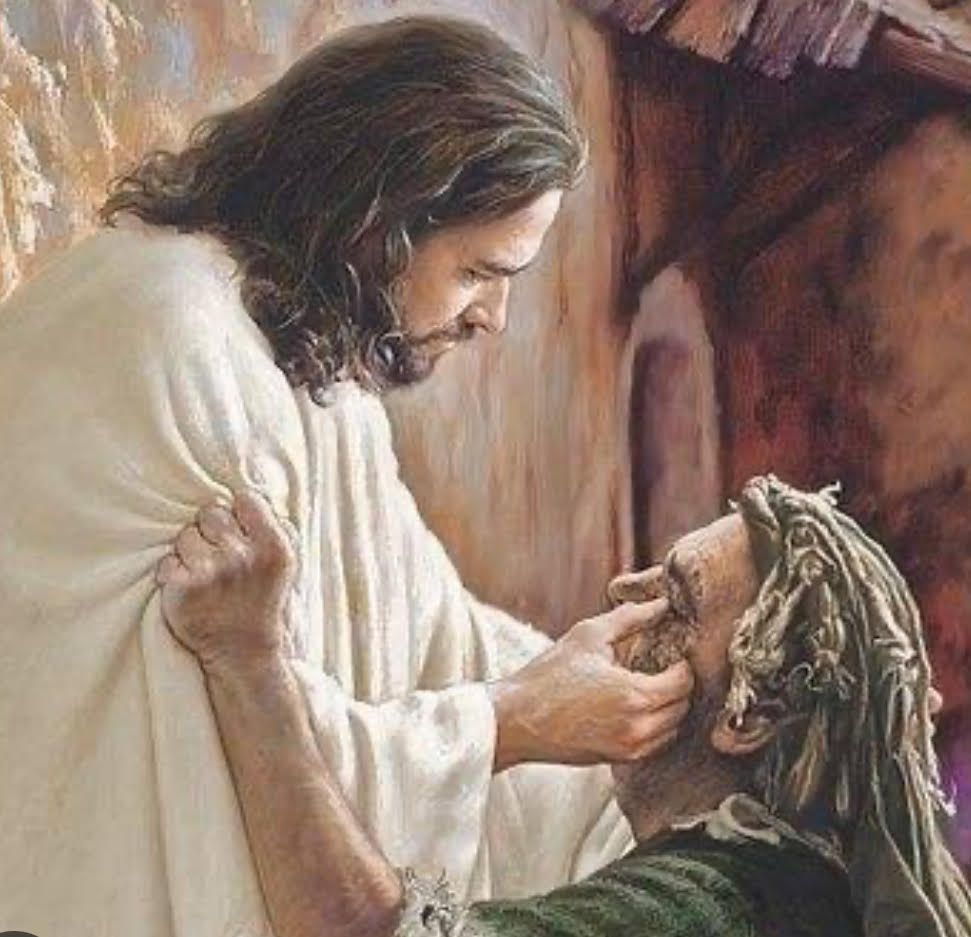
There are several incidents described in the Gospels that involved Jesus curing someone who was blind. None are more remarkable than the one St. John recorded for us as part of his testimony to Jesus as the world’s Saviour and the Son of God. The blind person he remembers was someone who had been so from birth. As a result he was helpless to support himself nor was his family able to do so once he had come of age, so he resorted to begging. On passing by, some of Jesus’ disciples were obviously saddened by his situation and wondered how someone could suffer such misfortune. Their own thoughts are limited to the view that either this man or his parents had sinned. In the Jewish mindset of the time, it must have been common to try to link every misfortune with the sinfulness of someone involved. But how could he have sinned before birth? Or why would this man have been punished for the sins of his parents? At times we might be troubled by similar dilemmas resulting from our limited knowledge and point of view of hurtful occurrences in life.
Our Lord’s response is one they obviously did not have in mind. “It was not that this man sinned, or his parents, but that the works of God might be made manifest in him” (John 9,v.3).
Not all suffering is sent by God as punishment. All suffering He allows does have, however, some deeper meaning, purpose and value that is in agreement with His justice and love. What this purpose may be is not apparent to all at all times since any one of us sees with only limited vision. This is another kind of ‘blindness’ that may or may not be culpable.
In the specific case of the man described in today’s Gospel account, the purpose would, in fact, quickly become clear to those early disciples and to the man himself. The power of Jesus to cure even the most hopeless illnesses and disabilities was demonstrated beyond doubt to persons with an open mind. Such power must surely be divine. No human remedy could explain an instantaneous gaining of sight a person never had. And when this miracle was added to so many others Jesus did that required an act of creating from nothing, his identity as the Son of God was assured. Yet John’s recollection goes on to tell us that persons of religious authority, namely certain Pharisees who were consulted regarding the incident, refused to accept that a miracle had occurred. Their scepticism was a result of definite prejudices against Jesus and his followers. Perhaps they thought that their permission or authorization should have been sought! Jesus was not in their ‘camp,’ so He could not be taken seriously or trusted. What is more, there must have been resentment over His eclipsing their own image as ‘holy men’ and ‘teachers’.
Besides John wanting us to realize that Our Lord truly was ‘the Word made flesh’, he wanted to leave us an example of that spiritual blindness that he also speaks of at the beginning of his Gospel. “The true light that enlightens every man was coming into the world. He was in the world, and the world was made through him, yet the world knew him not. He came to his own home, and his own people received him not”(chap.1, v.9-11).
In this time of Lent we should ask God to free us from any form of spiritual blindness we might be experiencing. And it is so good and important to pray for others to be helped in a similar way. St. Josemaria often repeated a short prayer or aspiration that went like this:
“Lord, that I may see, that we may see (meaning those to whom he was most closely tied), that they may see” (that is to say, everyone). And let’s not lose sight of the fact that the truth about Jesus Christ as God and man, and as a man who actually died for our sake’s – showing God’s love - (and rose again), is the basis for the greatest kind of hope the human family knows – Christian hope, and therefore, Christian joy and cheerfulness.