Jesus lived his life immersed in the real world of his time. In no way did he shy away from ordinary work, from family and social occasions, nor did he ignore the larger events affecting the life of his people. His teachings proceed both from his divine wisdom and his rich human experience. At times we see him drawing a lesson from some immediate circumstance, such as finding the Temple full of the noise of money changers and animal vendors, or, as in today’s Gospel, seeing the behaviour of guests arriving at a formal dinner.
When Our Lord noticed how certain persons spontaneously looked for prominent seats at the function he had been invited to, he used this behaviour as a parable for a lesson about life as a whole. The action of these persons reflected their own sense of self-importance. In response to their pride, Jesus makes known how this vice would lead to an eventual downfall, especially insofar as it affected their relationship with God and others. The message was brought home to them by the embarrassment they would have keenly felt had the owner of the house asked them to make room for a more significant guest. Jesus ends the parable with the familiar words “the last shall be first and the first last.” He clearly means to remind us all that a person’s truly deserved place in the life to come will be determined by the just and all knowing wisdom of God and not by mere human politics.
The first reading, taken from the Old Testament book of Ecclesiasticus (otherwise known as Sirach) captures some fatherly advice about the how to conduct one’s life in a sincere and humble way. It makes the point that humility breaks down barriers, whereas pride sets them up – between ourselves and others, and between ourselves and God. “Be gentle in carrying out your business,” he says, “and you will be better loved than a lavish giver.” He urges humility especially on those who might be most tempted to become proud – those who enjoy some special talent, who gain political power or celebrity status, who are gifted with health and physical strength or better than average appearance. In every instance, these attributes owe more to God than to the individual, who distributes various gifts and allows people accordingly to gain privileged positions. In the eyes of our ultimate judge, these attributes or positions hold little weight in themselves. It is how they are used that matters to Him, whether justly, wisely and generously or, on the contrary, in an entirely self-seeking manner.
What is humility? St Teresa answers: “Humility is truth.” It is to understand where the origin of all that is good, all that is perfect, lies – that is, in God’s loving hand. It is also the ability to be objective about ourselves, not to exaggerate our qualities or achievements or their importance. It is the attitude of being grateful, and of not ignoring the qualities and achievements of others. It is the realization that much of what gives rise to pride in people is really very relative and of limited duration – such as fame, success in business, a sporting achievement, good marks at uni, or awards for professional achievements. We can rightly experience some joy from these things but without dwelling on them too much, or seeking constant recognition from them.
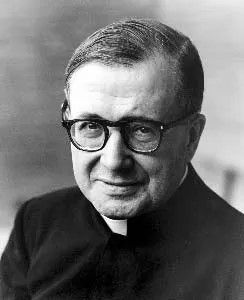
Humility opens the way to deeper and more sincere friendships, especially with God. It helps us to recognize our mistakes quickly, not become discouraged or bitter, and to continue to grow in knowledge and love throughout life. “If you are sensible and humble, you will have realised that one never stops learning... This happens in every field; even the wisest will always have something to learn, until the end of their lives; if they don’t, they cease to be wise” (St Josemaria, Furrow, 272).
|